What Is The Folklore Behind The July 2026 Full Moon
The July 2026 Full Moon: More Than Just a Pretty Sky
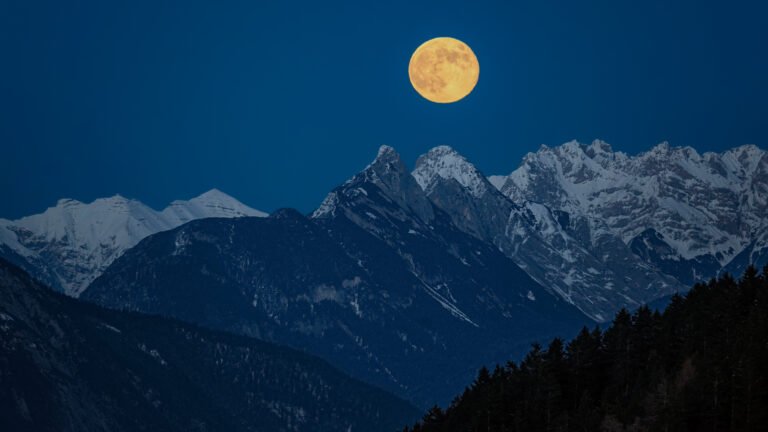
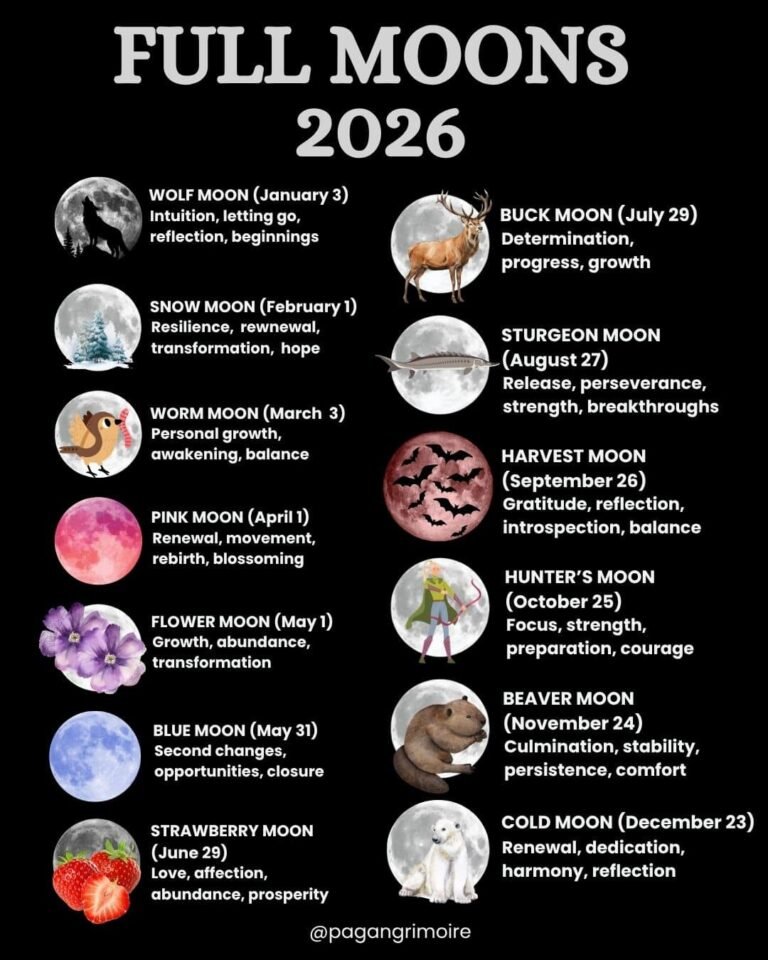
Forget fancy jargon and dry explanations. Let’s talk about the July 2026 full moon. It’s got a name, a story, and frankly, a bit of magic attached to it. We’re digging into the folklore behind the July full moon, specifically the one folks call the Buck Moon. It’s not just about looking up; it’s about what those old tales and traditions tell us about ourselves and the world around us. Ready to peel back the layers?

Source : pagangrimoire.com
Why ‘Buck Moon’? It’s All About Antlers
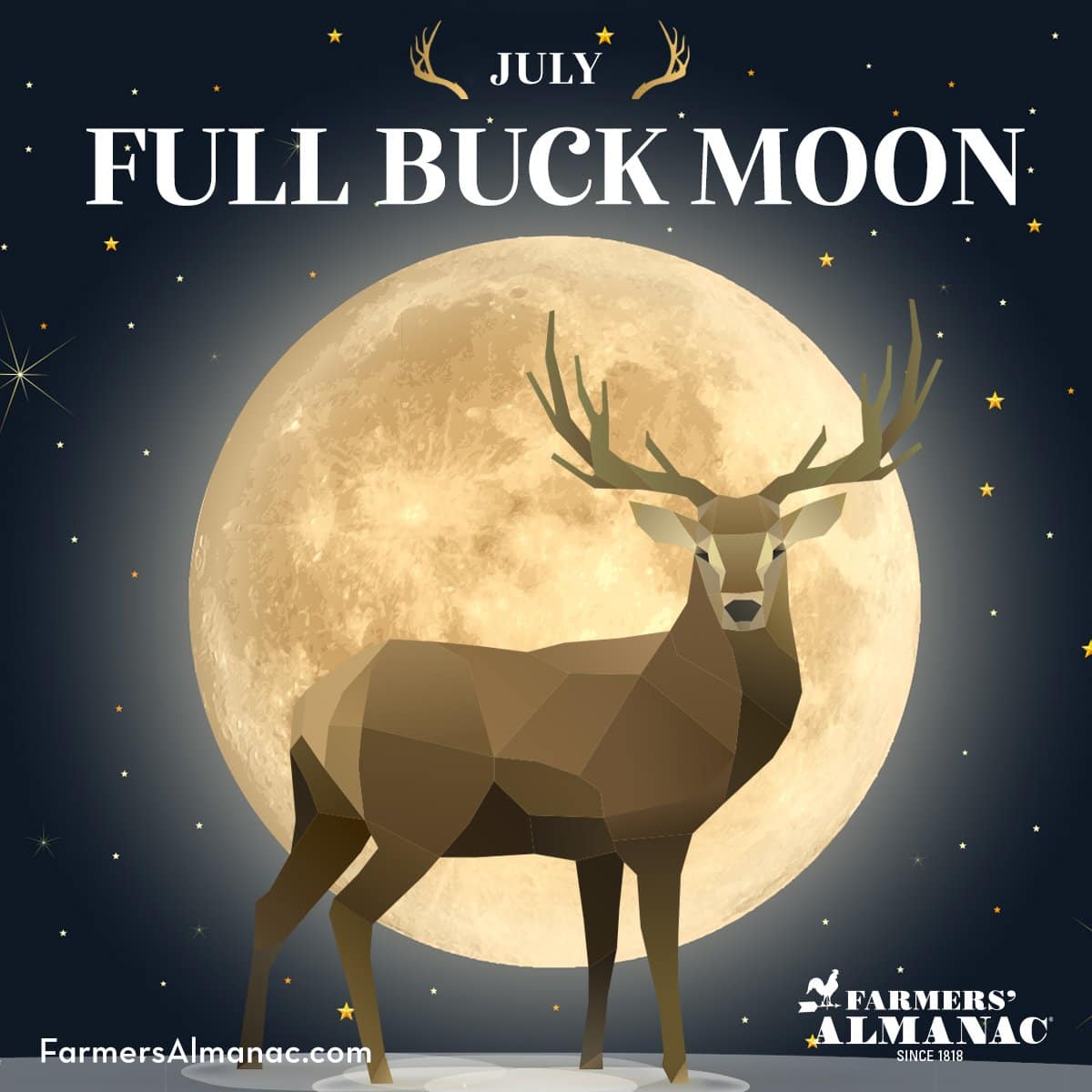
So, July rolls around, and bam! There’s a big, bright full moon. Why all the fuss over this particular one? It’s simple, really. This is when the male deer, the bucks, are growing their new antlers. These antlers are a big deal for them, a sign of strength and maturity. It makes sense, right? Nature has its own calendar, and the moon often lines up with the seasons’ biggest events. The Buck Moon isn’t just a name; it’s a marker of a specific time in the natural world, a time of growth and emergence. Think about it – those bucks are getting ready for a lot, and so is the world around them during the summer months.
The July Full Moon: A Time of Growth and Shedding
July’s full moon, affectionately known as the Buck Moon, has deep roots in nature’s cycles. It’s a time when the natural world is in full swing. For the deer, it’s the peak of antler growth. For us? Well, it’s often seen as a time for intense personal growth, but also for shedding what no longer serves us. It’s that classic summer energy, full of life and potential. You might feel a pull to push forward with your own goals, but also a need to let go of old habits or burdens. It’s a powerful, dynamic period, and the moon just seems to amplify it. This is why people often look to this moon for significant personal shifts. It’s not just about witnessing a celestial event; it’s about syncing with the earth’s rhythm.
Beyond the Buck: Other Names for July’s Moon

Source : almanac.com
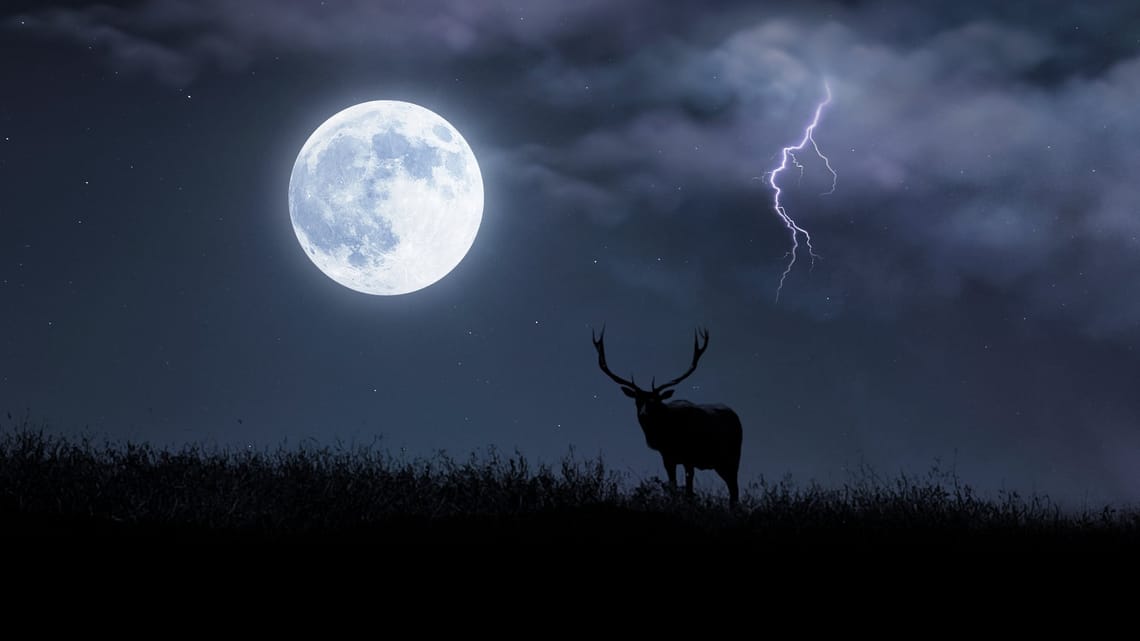
While ‘Buck Moon’ is the most common name, it’s not the only one. Different cultures and regions had their own ways of tracking the year by the moon. Some called it the Thunder Moon, which, let’s be honest, makes a lot of sense for July in many places. Think of those summer storms rolling in – loud, powerful, and dramatic. Others knew it as the Fattening Moon, a nod to the abundance of food available during the summer harvest. It paints a picture, doesn’t it? This variety in names shows how deeply coected people were to the natural world and how they used the moon to understand their environment. It’s a rich historical tapestry. For more on these fascinating names, you can check out the folklore behind the full moon’s many names.
The Almanac’s Take on the Buck Moon
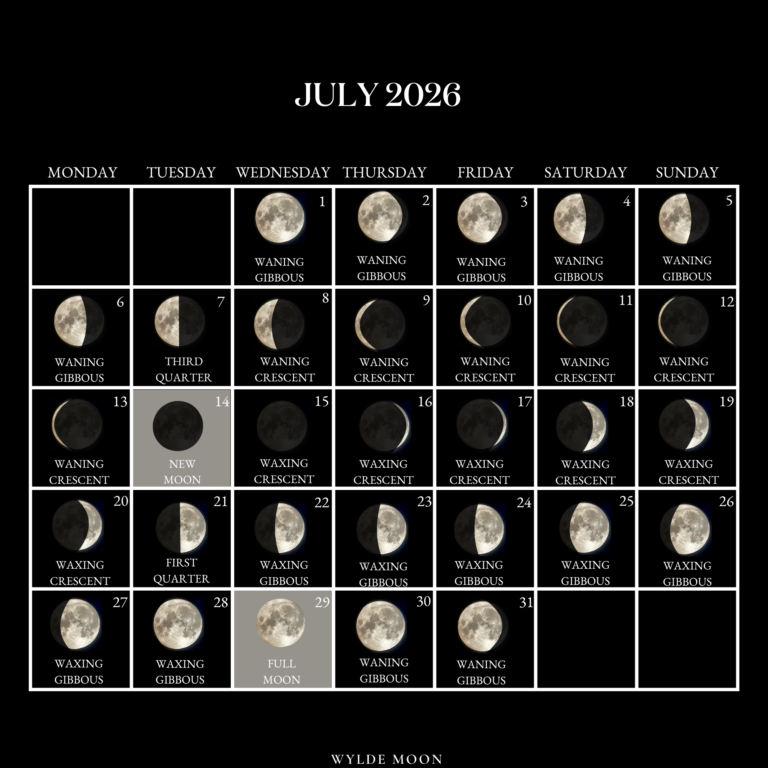
The Farmer’s Almanac, a go-to source for all things lunar and seasonal, also dives deep into the Buck Moon. They coect it firmly to the deer’s antler growth, as we’ve touched on. They often highlight the specific dates and times the moon reaches its peak fullness, which is crucial if you’re plaing any lunar observations or rituals. Understanding when the moon is actually full, not just waxing or waning, is key to appreciating its full power. The Almanac’s perspective is steeped in tradition and practical observation, offering a solid grounding for the more mystical interpretations. It’s a great resource for accurate timing. You can learn more on the Farmer’s Almanac July full moon page.
Folklore and Spiritual Meanings
Now, let’s get to the good stuff: the folklore and spiritual vibes. The full moon has always been a time of heightened energy, of culmination. For the Buck Moon, this energy often translates into a focus on abundance, manifestation, and personal power. It’s a time to really dig into what you want to achieve. Think about those bucks with their growing antlers – they’re pushing boundaries, establishing themselves. This moon encourages us to do the same. It’s about stepping into your full potential and realizing your desires. It’s also a time for powerful cleansing, letting go of anything that hinders that growth. Many spiritual traditions have specific rituals for this period. It’s a potent time for intention-setting and releasing. Some folks even see it as a time for emotional release, acknowledging and processing feelings that might have been simmering beneath the surface all summer. It’s that feeling of ‘everything coming to a head,’ but in a productive, transformative way.
Rituals for the Buck Moon
So, how do people actually use this energy? Rituals are a big part of lunar folklore. For the July full moon, you might find people doing rituals focused on:
- Manifestation: Writing down goals, visualizing success, creating vision boards. Think about what you want to grow, just like the bucks’ antlers.
- Abundance: Setting intentions for prosperity, career growth, or financial stability. It’s about inviting more good into your life.
- Release: Burning papers with things you want to let go of, meditating on forgiveness, or simply journaling about what’s weighing you down.
- Coection to Nature: Spending time outdoors, honoring the earth, perhaps leaving an offering (like water or seeds) in nature.
These aren’t complicated ceremonies. Often, it’s about intentionality. Lighting a candle, saying an affirmation, or even just spending quiet time reflecting under the moonlight can be a powerful ritual. It’s about consciously engaging with the energy available. The goal is to align yourself with the moon’s powerful phase. Check out ideas for July full moon rituals if you’re looking for more inspiration.
Source : starwalk.space
The Full Moon’s Impact on Us (Beyond Superstition)
Okay, I know what some of you are thinking: ‘Is this real? Does the moon actually affect us?’ Look, science is still figuring out all the coections, but there’s no denying the cultural and psychological impact. The full moon, historically, has been linked to increased activity, more births, and even shifts in mood. Whether it’s the increased light, a subtle gravitational pull, or just the power of suggestion and ancient belief, something happens. Many people report feeling more energetic, more emotional, or just plain different during a full moon. It’s often described as a time when things come to a head, when emotions are closer to the surface. This heightened sensitivity can be both a challenge and an opportunity. Embracing it means being more aware of your own feelings and reactions. It’s about working with the energy, not against it. This ancient folklore isn’t just stories; it’s a reflection of generations observing how the moon influences life on Earth.
July 2026 Specifics: What to Expect
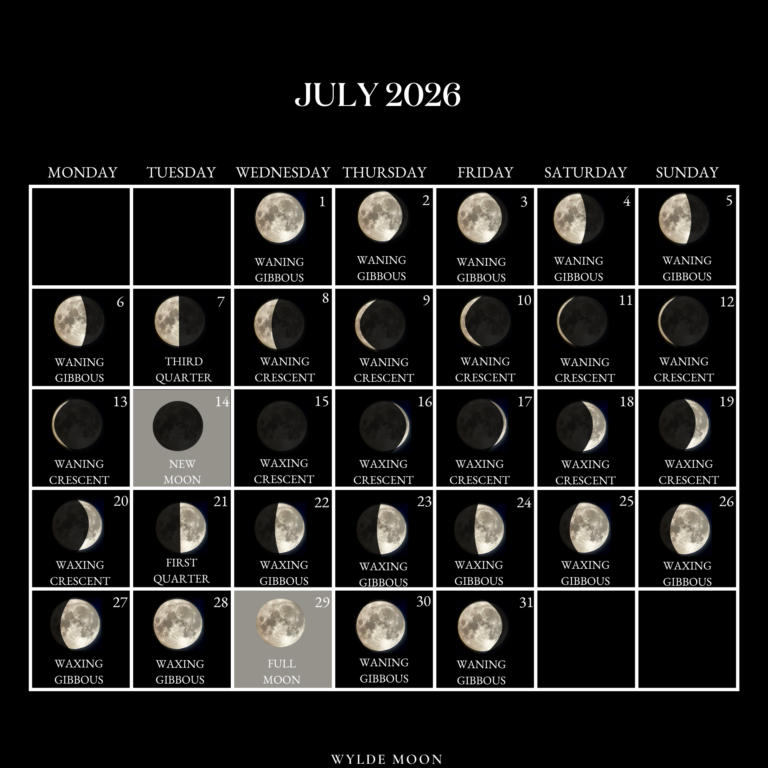
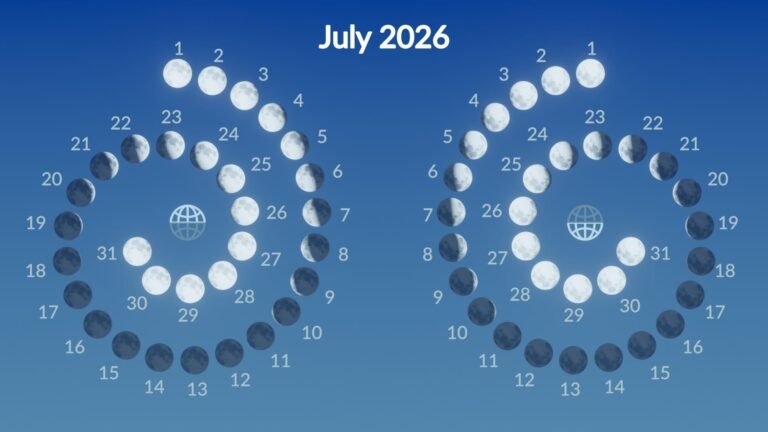
For the July 2026 Buck Moon, you’ll want to mark your calendars. While the exact peak time shifts slightly each year, it typically falls in the latter half of July. Keep an eye on the specific date and time for 2026 – knowing the precise moment amplifies the intention behind any rituals or reflections. Remember, the full moon’s energy doesn’t just switch on and off at a single instant; it builds up in the days before and lingers afterward. So, while the peak is important, the entire lunar phase around it is potent. The 2026 full moon offers a fresh opportunity to coect with this ancient cycle. Don’t miss out on harnessing this energy.
The Ancient Roots of Moon Folklore
This isn’t new. Humans have been telling stories about the moon for milleia. It was the original clock, the original calendar, and a powerful symbol in mythology and religion across the globe. Think of ancient cultures tracking planting seasons by the moon, or using its cycles for spiritual guidance. The Buck Moon folklore is part of this vast, ancient narrative. It coects us to our ancestors, who looked up at the same moon and found meaning in its phases. These stories weren’t just entertainment; they were survival guides, teaching people about nature’s rhythms and how to live in harmony with them. Understanding this history gives the July full moon a deeper significance than just a bright light in the sky. It’s a living link to the past. This deep history underscores the importance of lunar observations.
Bridging the Gap: Modern Life and Ancient Moon Lore
It can be tough to reconcile ancient folklore with our modern, often digital, lives. We’ve got electric lights, smartphones, and instant access to information. But the core human need to find meaning and coection remains. The July full moon offers a perfect opportunity to bridge that gap. Even if you don’t perform elaborate rituals, simply taking a moment to step outside, look at the moon, and reflect on the past month can be incredibly grounding. It’s a reminder that we’re part of something bigger, a natural cycle that’s been unfolding long before us and will continue long after. This coection can be a powerful antidote to the stresses of everyday life. It’s about finding moments of presence and awe. It’s about remembering our place in the grand scheme of things. Even a brief moment of observance can feel profound.
What Not to Do During a Full Moon
While the full moon is a time of heightened energy and potential, it’s also wise to be mindful of what you shouldn’t do. Think of it as navigating stormy seas – you wouldn’t set sail in a hurricane without caution.
Source : farmersalmanac.com
- Don’t make major decisions impulsively: With emotions ruing high, it’s easy to make rash choices. Sleep on big decisions, or at least give yourself time to process.
- Avoid uecessary conflict: Tempers can flare. Try to de-escalate situations rather than fueling them. Practice patience.
- Don’t overschedule yourself: This is a time when you might feel more drained or sensitive. Allow for rest and introspection. Burnout is real!
- Resist dwelling on negativity: It’s easy to get caught up in worries or anxieties. Actively work to shift your focus to positive outcomes and gratitude.
It’s not about fear; it’s about smart navigation. By being aware of the amplified energy, you can use it constructively instead of letting it overwhelm you. Being mindful during the full moon phase is key to a positive experience.
A Note on the ‘Worm Moon’
You might have heard of other full moon names, like the Worm Moon. That’s typically the full moon in March. It’s named after the earthworms that start to appear as the ground thaws in early spring. It signifies the end of winter and the begiing of new life. So, while it’s a fascinating lunar name, it’s not directly associated with the July full moon. Each month’s moon name has its own distinct folklore and seasonal coection. It’s like a celestial almanac, each name telling a different part of the year’s story.
Your July 2026 Full Moon Guide: FAQs
What is special about the July full moon?
The July full moon is special because it’s known as the Buck Moon. This name comes from the fact that bucks start growing their impressive antlers around this time of year. It’s a powerful symbol of growth and new begiings, tied directly to the peak of summer’s abundance and nature’s cycles. Many people feel a surge of energy and creativity during this time.
What does the full moon in 2026 mean spiritually?
Spiritually, the full moon in 2026, particularly the Buck Moon, is a time for manifestation, abundance, and releasing old patterns. It’s seen as a peak energy period where intentions can be powerfully set and personal growth can be accelerated. Think of it as a cosmic nudge to step into your power and shed anything holding you back. It’s about culmination and powerful forward movement.

Source : almanac.com
What shouldn’t you do during a full moon?
During a full moon, it’s best to avoid making impulsive decisions, getting into uecessary arguments, or overcommitting yourself. Since emotions can run higher, it’s wise to practice patience, seek clarity before acting, and allow yourself plenty of rest. It’s a time for mindful action, not reckless abandon.
Why is it called a worm moon?
The Worm Moon is the name typically given to the full moon in March. It’s called that because the warmer weather in early spring causes earthworms to start appearing as the ground thaws. It’s a sign of spring’s arrival and the end of winter’s dormancy. It has nothing to do with the July moon.
What is the folklore behind the August full moon?
Ah, August! Just after the Buck Moon comes the Sturgeon Moon. The folklore behind this one is fascinating. It’s named after the large sturgeon fish that were traditionally caught in abundance during this time in the North American Great Lakes and Lake Champlain. For the Algonquian peoples, this was a crucial food source. The Sturgeon Moon signifies a time of successful fishing and bounty, a time when harvests are coming in, and nature is still providing generously. It’s another marker of the deep coection between lunar cycles and the natural world’s provisions. It’s a time of gathering and reaping the rewards of hard work.
Frequently Asked Questions
-
What is special about the July full moon?
The July full moon is special because it’s known as the Buck Moon. This name comes from the fact that bucks start growing their impressive antlers around this time of year. It’s a powerful symbol of growth and new begiings, tied directly to the peak of summer’s abundance and nature’s cycles. Many people feel a surge of energy and creativity during this time.
-
What does the full moon in 2026 mean spiritually?
Spiritually, the full moon in 2026, particularly the Buck Moon, is a time for manifestation, abundance, and releasing old patterns. It’s seen as a peak energy period where intentions can be powerfully set and personal growth can be accelerated. Think of it as a cosmic nudge to step into your power and shed anything holding you back. It’s about culmination and powerful forward movement.
-
What shouldn't you do during a full moon?
During a full moon, it’s best to avoid making impulsive decisions, getting into uecessary arguments, or overcommitting yourself. Since emotions can run higher, it’s wise to practice patience, seek clarity before acting, and allow yourself plenty of rest. It’s a time for mindful action, not reckless abandon.
-
Why is it called a worm moon?
The Worm Moon is the name typically given to the full moon in March. It’s called that because the warmer weather in early spring causes earthworms to start appearing as the ground thaws. It signifies the end of winter and the begiing of new life. It has nothing to do with the July moon.
-
What is the folklore behind the August full moon?
Ah, August! Just after the Buck Moon comes the Sturgeon Moon. The folklore behind this one is fascinating. It’s named after the large sturgeon fish that were traditionally caught in abundance during this time in the North American Great Lakes and Lake Champlain. For the Algonquian peoples, this was a crucial food source. The Sturgeon Moon signifies a time of successful fishing and bounty, a time when harvests are coming in, and nature is still providing generously. It’s another marker of the deep coection between lunar cycles and the natural world’s provisions. It’s a time of gathering and reaping the rewards of hard work.