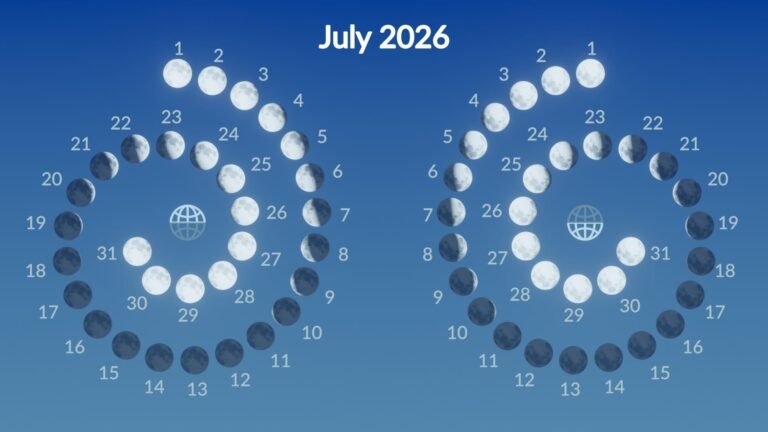
Tracking Seasonal Changes From June To July 2026
June to July 2026: The Big Summer Shift
You know that feeling? The air gets thick, the sun beats down with a new intensity, and suddenly, summer isn’t just starting, it’s kicking into high gear. That’s exactly what’s happening between June and July 2026. It’s not just a calendar flip; it’s a full-blown transition. We’re talking about shedding those last vestiges of spring and diving headfirst into the heart of summer. Think longer days, hotter temps, and a whole different vibe outdoors. It’s a period where nature really shows off, and if you’re paying attention, you can see it everywhere.

Source : noaa.gov
June often feels like the warm-up act for summer. It’s got those long days, sure, but there’s still a lingering freshness. Then comes July. Bam! Full summer mode. The kind of heat that makes you want to find the nearest body of water. This shift isn’t just about the weather, either. It impacts everything: how we dress, what we eat, even our moods. It’s a major seasonal shift that affects our daily lives.
Summer’s Official Launch: The June Transition
The Astronomical Kickoff
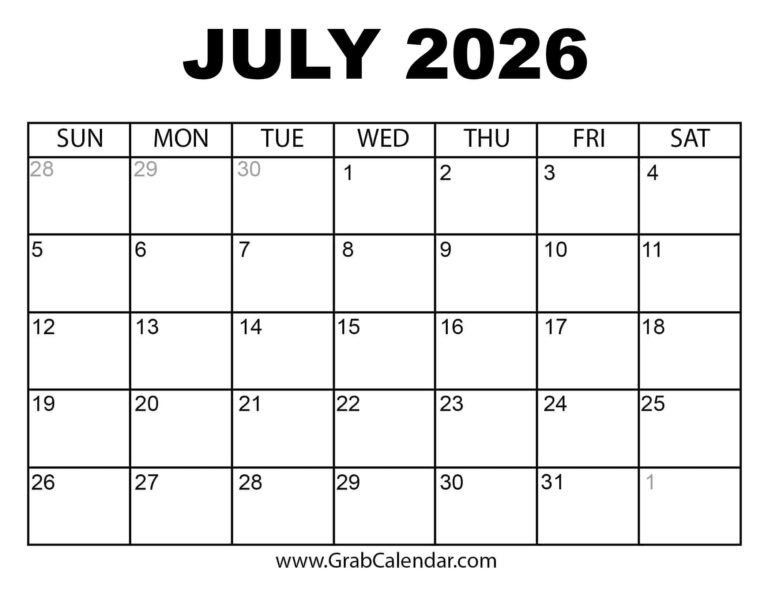
So, when does summer officially begin in 2026? It’s all about the sun. We’re talking about the summer solstice. Mark your calendars for June 21st, 2026. This isn’t just some made-up date; it’s dictated by the Earth’s tilt and its orbit around the sun. It’s the longest day of the year, the moment when the Northern Hemisphere is tilted most directly towards our star. Pretty cool, right? This astronomical event is the official start of summer, and it sets the stage for the weeks to come.
It’s a precise moment, too. Not an entire day, but a specific time. For 2026, it happens on June 21st. This solstice is what astronomers use to define the start of the season. It’s the reason why we have those ridiculously long days in June, perfect for late-night barbecues or just soaking up the extra daylight. Think of it as summer hitting the ‘on’ switch with full power.

Source : almanac.com
Meteorological Summer: The Early Bird Gets the Worm
Now, meteorologists? They like things a bit simpler. They don’t wait for the solstice. For them, summer starts way back on June 1st. Why? Because weather patterns tend to follow a more predictable monthly rhythm. This makes tracking climate data and trends way easier. So, while the official astronomical summer might be June 21st, the weather folks are already calling it summer for the entire month. It’s a practical definition that helps them work.
This meteorological summer is all about those consistently warm months. June, July, and August. It’s the period when we expect the highest temperatures and the most sunshine across much of the Northern Hemisphere. It’s less about precise orbital mechanics and more about the lived experience of sweltering heat and lazy afternoons. It’s summer, plain and simple, starting right at the begiing of June.
July: Summer in Full Swing
The Peak of Heat and Daylight
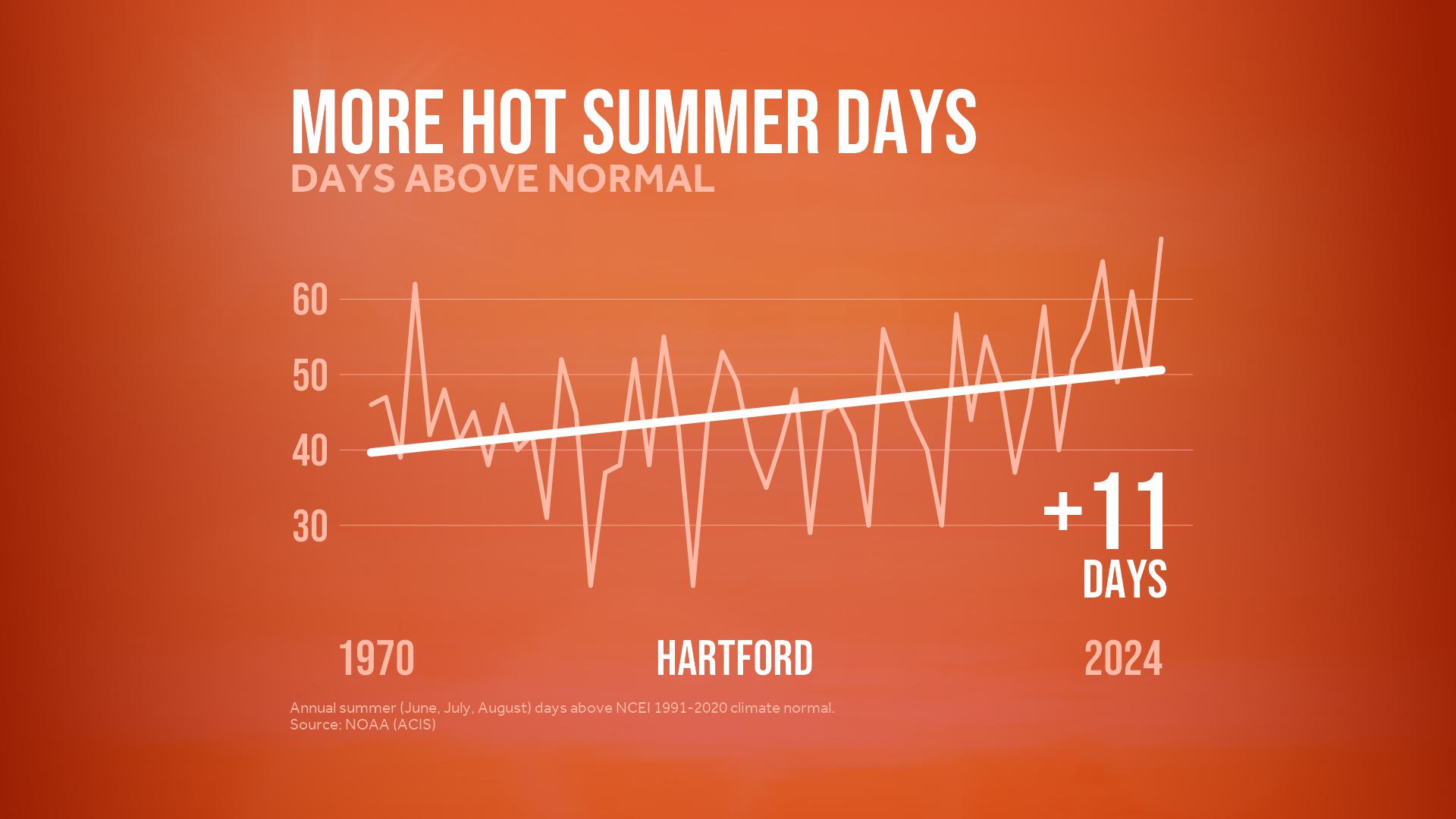
By the time July rolls around in 2026, summer is no joke. It’s at its peak. The solstice has passed, and now we’re really feeling the effects of that direct sunlight. July often brings the highest average temperatures for the year in many places. Those long days from June? They’re still there, though starting to shorten ever so slightly. You’ll notice the sun climbing higher in the sky, casting shorter shadows during the midday hours. It’s the heart of summer, pure and simple.
Think about what that means. Increased humidity, more thunderstorms in some regions, and a general call to stay cool. Farmers are dealing with crops at their most vulnerable stage, kids are deep into summer vacation, and many of us are plaing our beach trips or backyard cookouts. July is the month when summer truly dictates the pace of life. It’s when the season’s character is most obvious.
Source : nbcconnecticut.com
The Subtle Shift: July’s Turn
Even in the height of summer, things are always changing. While July is hot, the days start to noticeably shorten as the month progresses. It’s not dramatic, not like the change from fall to winter, but it’s there. The sun sets a little earlier each day after its peak around the solstice. This subtle shift is a reminder that even the longest, hottest days eventually give way. It’s a gradual transition that often goes uoticed until you look closely.
This gradual shortening of daylight hours is a key indicator. It signals that while we’re still in the thick of summer, the year is moving towards its latter half. For gardeners, it means plaing for the late harvest. For astronomers, it means different constellations will start to appear in the night sky. It’s a quiet signal from nature that change is constant, even during the seemingly unchanging heat of July. This is the essence of seasonal tracking.
Tracking the Changes: June vs. July 2026
Comparing June and July in 2026 really highlights the summer transition. June feels like the exciting build-up. You’ve got the solstice, the official ‘go’ signal, and those super long days. It’s full of promise and the first real tastes of summer heat. It’s when you start pulling out the shorts and firing up the grill for the first time.
July, though? July is summer delivered. It’s the heat cranked up, the humidity often at its highest, and the feeling that the season is fully established. While June has the longest day, July often has the most consistent and intense heat. It’s the month you pack for vacation, hit the beaches, and really embrace the summer lifestyle. The difference is palpable: June is the opening act, July is the headliner. It’s a clear summer progression.
Key Differences at a Glance
- Daylight Hours: June boasts the longest days, peaking around the solstice. July sees these days begin their subtle shortening.
- Temperature Peaks: While June starts the heat, July often brings the year’s highest average temperatures and most intense heat waves. It’s a definite temperature rise.
- Activities: June is about the start of summer fun. July is when summer activities are in full swing – think peak vacation time.
- Atmosphere: June feels fresh and anticipatory. July feels settled, intense, and fully summery. It’s a vibe shift.

Source : noaa.gov
Examples of Seasonal Changes
Okay, let’s talk real life. What does this June-to-July shift actually look like? Think about your garden. In early June, your tomatoes might just be setting fruit. By late July, they’re probably bursting with ripe, red goodness. Or consider the insects. June might be buzzing with the emergence of certain bugs, while July brings out different species, perhaps more of those aoying mosquitoes or the hum of cicadas. It’s a constant biological shift.
It’s also in the way we experience the world. In June, you might still need a light jacket in the evenings. By July, you’re definitely reaching for shorts and tank tops, and that evening jacket stays in the closet. Even outdoor events change. June might host the start of outdoor concert series, but July is when those festivals are in full swing, often ruing late into those still-long, warm evenings. Think about the local park events shifting from family picnics to sweat-drenched evening concerts.
Think about the food, too. Early June produce is different from mid-July. Strawberries are big in June, but by July, you’re seeing peak corn, peaches, and watermelons. Restaurants reflect this. Summer menus kick off in June, but July is when they’re truly defined by the season’s bounty. It’s a culinary calendar change that follows the sun.
Why Do Seasons Change? A Quick Refresher
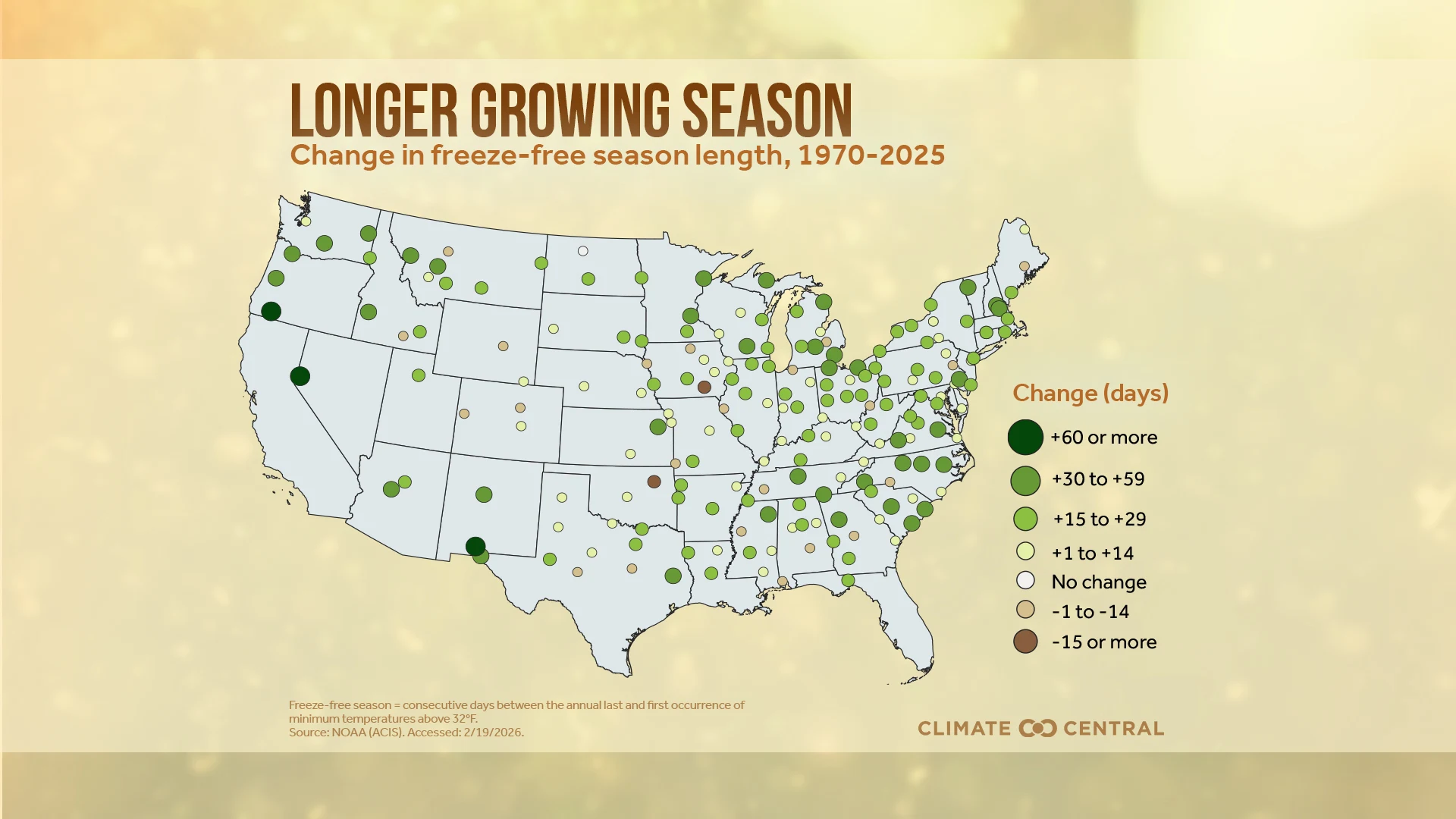
Ever wonder why we have seasons at all? It’s not because we’re closer or farther from the sun – that’s a common myth! The real reason is the Earth’s axial tilt. Our planet is tilted at about 23.5 degrees. As Earth orbits the sun, this tilt means different parts of the planet get more direct sunlight at different times of the year. It’s a fundamental astronomical fact.
Source : climatecentral.org
When the Northern Hemisphere is tilted towards the sun, we get summer – more direct sunlight and longer days. When it’s tilted away, we get winter, with less direct sunlight and shorter days. Spring and autumn are the transitional periods. This tilt is the key driver of seasons, and it’s why June feels different from July, and why the cycle repeats year after year. It’s all about that cosmic wobble.
The Importance of Tracking Seasonal Shifts
Why bother tracking this stuff? Because understanding these changes helps you, well, live better. Farmers rely on it for planting and harvesting. Gardeners know when to expect blooms or pests. Even if you’re just plaing a vacation, knowing when summer really hits its stride in July versus the more transitional feel of June can make a difference. It’s about aligning yourself with nature’s rhythm.
For businesses, tracking seasonal trends is crucial. Retailers stock up on summer gear before the heat hits. Event plaers schedule outdoor activities during the prime warm months. It’s about anticipating demand and plaing accordingly. Ignoring seasonal shifts means missing opportunities or being caught unprepared. Smart plaing involves understanding these predictable patterns.
It also coects us to the natural world. In our busy lives, it’s easy to forget we’re part of a bigger cycle. Paying attention to the subtle shifts from June to July reminds us of nature’s patterns. It’s a chance to appreciate the change in the air, the different light, the growth in the plants. It’s a grounding experience that keeps us in tune.
The Astronomical vs. Meteorological Debate (Sort Of)
We touched on this, but it’s worth repeating. Astronomers define seasons by solstices and equinoxes – those precise astronomical moments. Meteorologists, on the other hand, use fixed date ranges based on monthly temperature cycles. For them, summer runs June 1 to August 31. This difference might seem minor, but it impacts how data is reported and how we think about the season’s length. It’s a data definition difference.

Source : typecalendar.com
So, when you hear about the start of summer, remember there are two main ways of looking at it. The solstice is the grand, cosmic event. The June 1st date is the practical, weather-pattern approach. Both are valid, but they give you slightly different timelines. Understanding both helps you see the full picture of seasonal timing. Check out the Farmer’s Almanac for exact dates – they’re usually spot on.
Looking Ahead: Beyond July 2026
As July 2026 unfolds, remember that summer isn’t static. It peaks, and then it begins its slow turn towards autumn. While the heat might linger well into August and September in many places, the daylight hours will continue to shorten. The energetic buzz of early summer gradually gives way to the more mellow, harvest-focused feel of late summer. It’s a continuous flow of change.
Understanding the transition from June to July is just the first step. It’s about recognizing that seasons are dynamic processes, not just static blocks of time. Each period has its own character, its own changes, and its own importance. Embracing this understanding helps us appreciate the year’s unfolding narrative and plan our lives more effectively. It’s about living in sync with the natural world’s cycles.
Frequently Asked Questions
What are the dates for each season change?
For 2026, astronomical summer kicks off on the solstice, June 21st. However, meteorological summer, which is what meteorologists use for climate data, starts way earlier on June 1st. Winter solstice is around Dec 21st, spring equinox around March 20th, and fall equinox around Sept 22nd. So you’ve got these key astronomical markers guiding the changes.
What are the 4 season changes?
The four main season changes we track are Spring, Summer, Autumn (or Fall), and Winter. Each season is defined by shifts in temperature, daylight hours, and weather patterns, driven by the Earth’s tilt. These fundamental shifts mark the year’s progression.
What are some examples of seasonal changes?
Think about plants: flowers blooming in spring, fruit ripening in summer, leaves changing color in fall, and trees becoming bare in winter. It’s also about animal behavior – migration, hibernation, and mating seasons. For us humans, it means changes in clothing, food, and activities, like beach trips in summer or cozy nights in during winter. These are tangible seasonal effects.
What are the dates for the seasonal changes?
Officially, based on astronomy in 2026: Spring begins around March 20th (Spring Equinox), Summer starts June 21st (Summer Solstice), Autumn begins around September 22nd (Fall Equinox), and Winter starts around December 21st (Winter Solstice). Remember, meteorological seasons start on the 1st of March, June, September, and December respectively, making it a simpler tracking system.
How do seasons affect animal behavior?
Animals are super tuned into seasonal changes! Think of birds migrating south for the winter to find food and warmer weather, or bears hibernating to conserve energy when food is scarce. Many animals change their coats, like deer growing a thicker coat for winter and shedding it for summer. Insects have specific life cycles tied to the seasons, with different bugs appearing at different times. It’s all about survival, and animals have developed amazing strategies to cope with the aual climate shifts.