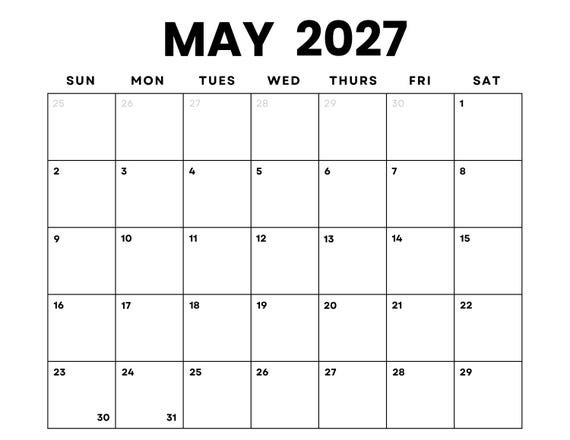
Julian Calendar 2027
Ever wondered why some people still talk about the Julian Calendar in 2027 when the world is all about the Gregorian version? It’s like a shadow calendar lurking behind our everyday dates, ticking away silently. Let’s pull back the curtain on this ancient system and see what 2027 looks like through its numbers.
What’s the Julian Calendar Anyway?
The Julian Calendar was introduced by Julius Caesar in 45 BCE, basically to fix the messy Roman calendar chaos. It standardized the year length to 365.25 days by adding a leap year every four years. Simple, right? But here’s the catch — it overestimated the solar year by about 11 minutes, which doesn’t seem like much until centuries pile up. For more on its history and quirks, check the detailed breakdown from Study.com’s Julian Calendar History.
Why 2027 Is Interesting on the Julian Calendar
The thing about 2027 is it’s expected to follow the usual Julian pattern without leaps or surprises. However, what sets the stage is the persistent lag behind the Gregorian calendar — currently exactly 13 days. That means January 1, 2027, on the Julian calendar, will align with January 14, 2027, on the Gregorian one. This divergence matters a lot for some religious observances and traditional events.
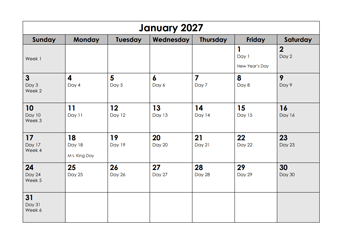
Source: www.calendarlabs.com
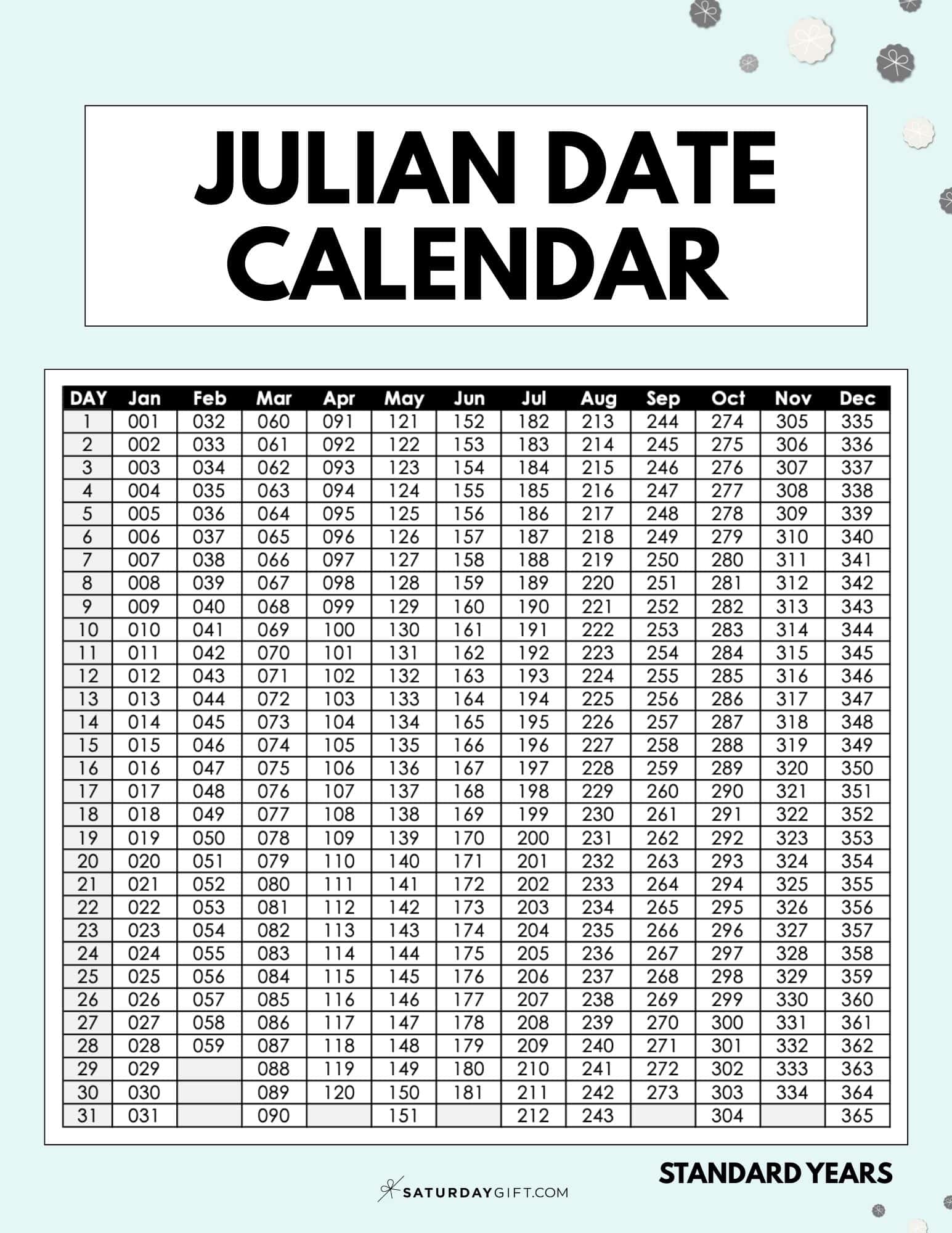
Source: www.saturdaygift.com
- Orthodox Christian churches still use the Julian calendar for religious festivals, so Christmas Celebrations in 2027 will fall on January 7 Gregorian, which corresponds to December 25 Julian.
- The Julian calendar is in use among certain historical reenactments and cultural festivals that want authenticity from the past — which means, in 2027, these events will definitely keep that unique time frame alive.
- Printable templates for the 2027 Julian calendar are already popping up online, handy for anyone keeping to the system. You can check out free, printable options from CalendarLabs’ 2027 Julian Calendar.
How Does the Julian Calendar Stack Against the Gregorian? Let’s Break It Down
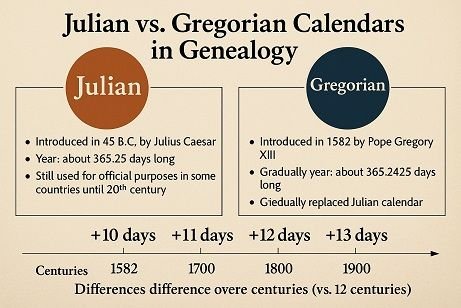
The Gregorian calendar we use today fixed the Julian’s slight error by redefining leap year rules but this created that infamous 13-day difference you’ll see in any comparison in 2027.
| Aspect | Julian Calendar | Gregorian Calendar |
|---|---|---|
| Year Length | 365.25 days | 365.2425 days |
| Leap Year Rule | Every 4 years | Every 4 years except centuries not divisible by 400 |
| Current Offset in 2027 | 13 days behind Gregorian | — |
If you want to grasp calendar complexities, the U.S. Naval Observatory’s detailed calendar FAQ is a godsend. They’re the official authority that sorts calendar questions with laser precision.
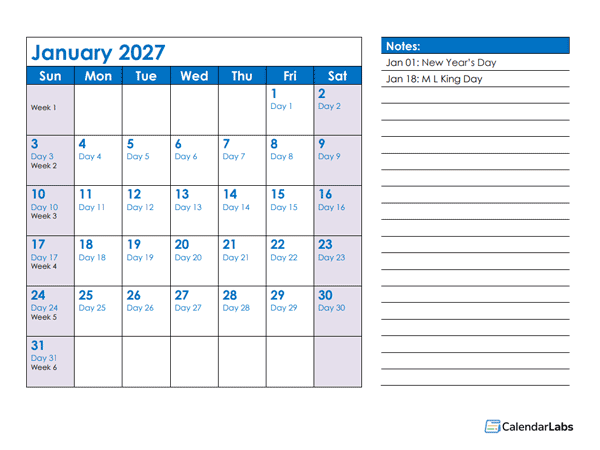
Source: www.calendarlabs.com
Key Dates of the 2027 Julian Calendar
| Julian Date 2027 | Corresponding Gregorian Date |
|---|---|
| January 1, 2027 | January 14, 2027 |
| February 28, 2027 | March 13, 2027 |
| March 25, 2027 (Julian New Year) | April 7, 2027 |
| December 25, 2027 | January 7, 2028 |
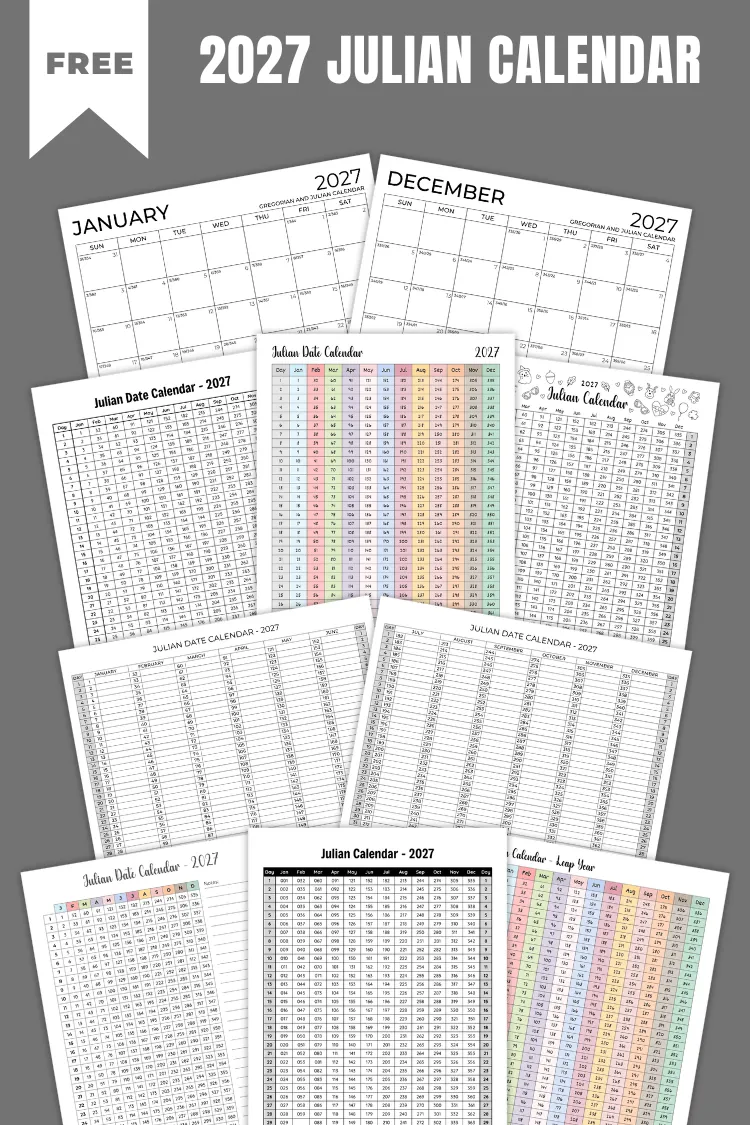
Source: firstprintable.com
Why Does the Julian Calendar Matter in 2027?
It’s a time capsule, really. Though nearly all of the world has moved on to Gregorian reckoning for business and everyday life, the Julian calendar clings stubbornly to tradition. It’s the backbone for holiday timing in many Eastern Orthodox churches, and a reminder of how history shapes our perception of time itself. While it’s 13 days behind, it’s also 2,000+ years of shared human history.
As Rupert Shepherd notes in his blog about the Julian calendar’s cultural significance, this calendar isn’t just old math; it’s embedded identity for many communities.
Some Fun Facts: A Little Calendar Quirk to Impress Your Friends
- Did you know the Julian calendar is currently 13 days behind the Gregorian? That gap started in 1900 and will jump to 14 days in 2100.
- This discrepancy means you could technically celebrate New Year’s twice if you follow both calendars! How’s that for a party trick?
- Facebook and Instagram have posts like this video from Bodleian Libraries showcasing the calendar’s quirky timeline differences, giving context to why the Julian calendar feels like a hidden world.
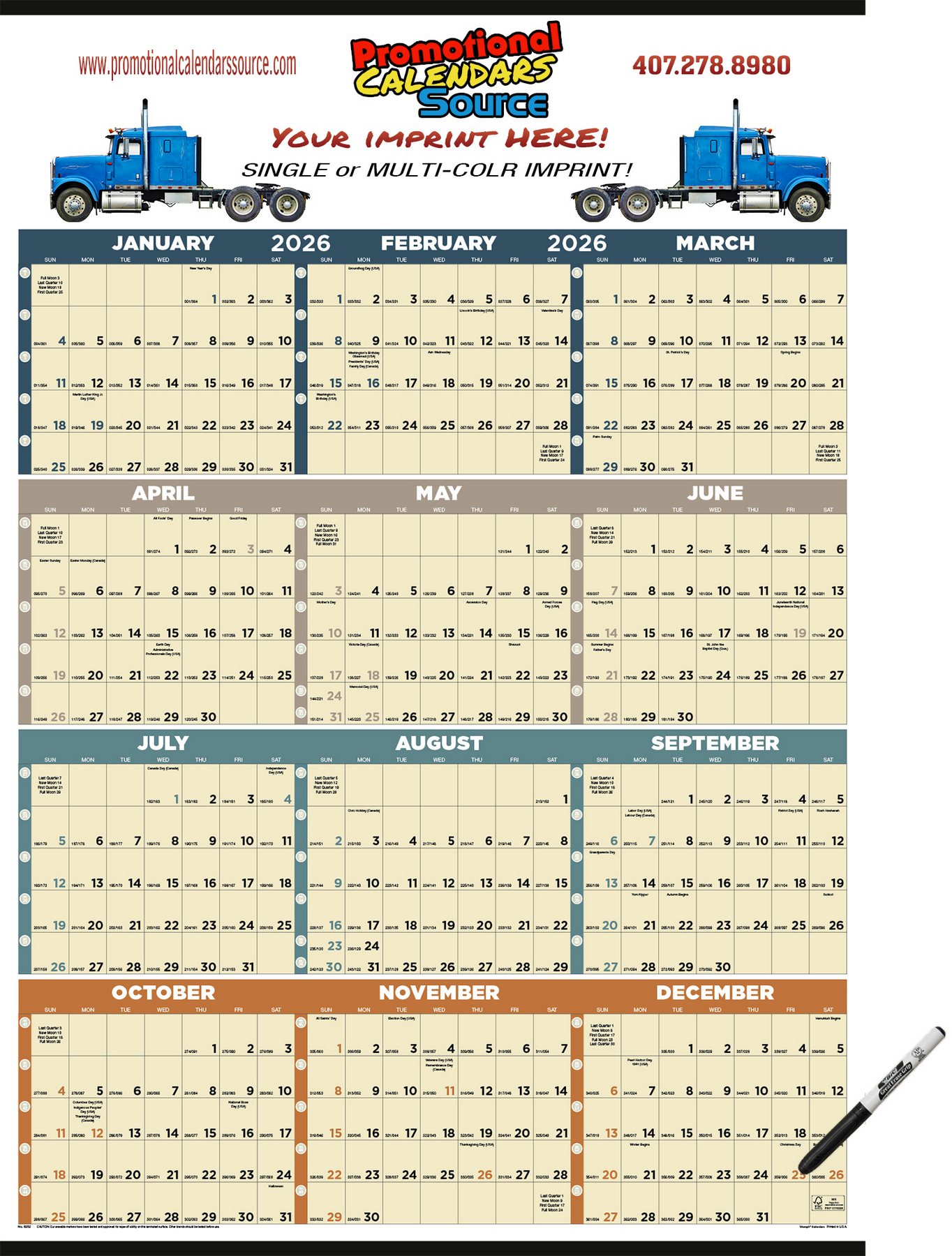
Frequently Asked Questions
Why is the Julian calendar still used in 2027?
Many Orthodox churches use it for religious holidays because the calendar is tied deeply to their traditions and liturgical calendar, preserved for centuries.
What causes the 13-day difference between Julian and Gregorian calendars in 2027?
The Julian calendar overestimates the year length slightly, causing a drift of about 1 day every 128 years. By 2027, this has amounted to a 13-day difference.
Are there any countries that officially use the Julian calendar today?
No countries use it officially for civil purposes, but it remains important for some religious communities and cultural observances.
How does leap year work in the Julian calendar?
In the Julian system, every year divisible by 4 is a leap year with no exceptions, unlike the Gregorian’s more complex system.
Where can I find a printable Julian calendar for 2027?
You can find free printable Julian calendar templates for 2027 which make it easy to follow this traditional calendar year.
Disclaimer: All dates and information are based on the most recently available official sources and are subject to change. Always verify with the official institution website for the most current details.

Nichols As the lead creator behind platforms like Month Mint Calendar & Fest, Nichols focuses on the intersection of clean design and daily productivity. Finding the perfect balance between aesthetics and functionality, Nichols ensures that every grid and tracker is meticulously crafted for optimal print quality.