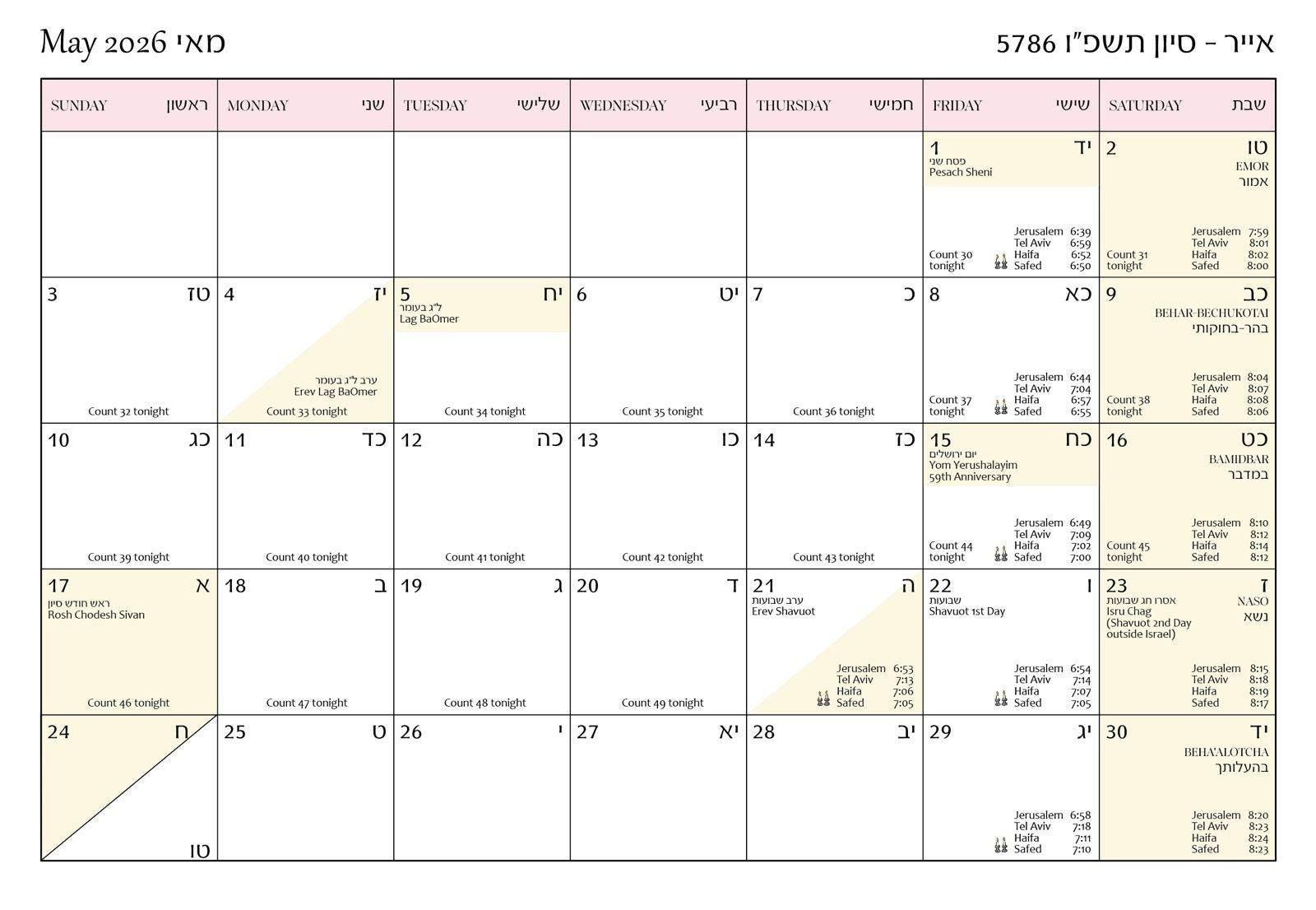
Jewish Calendar September 2026: What You Need to Know
September 2026. That’s the month we’re diving into for the Jewish calendar. And if you’re trying to wrap your head around what holidays and observances fall where, you’re not alone. It can feel like a puzzle sometimes, right? Especially when you’re juggling everything else life throws at you.
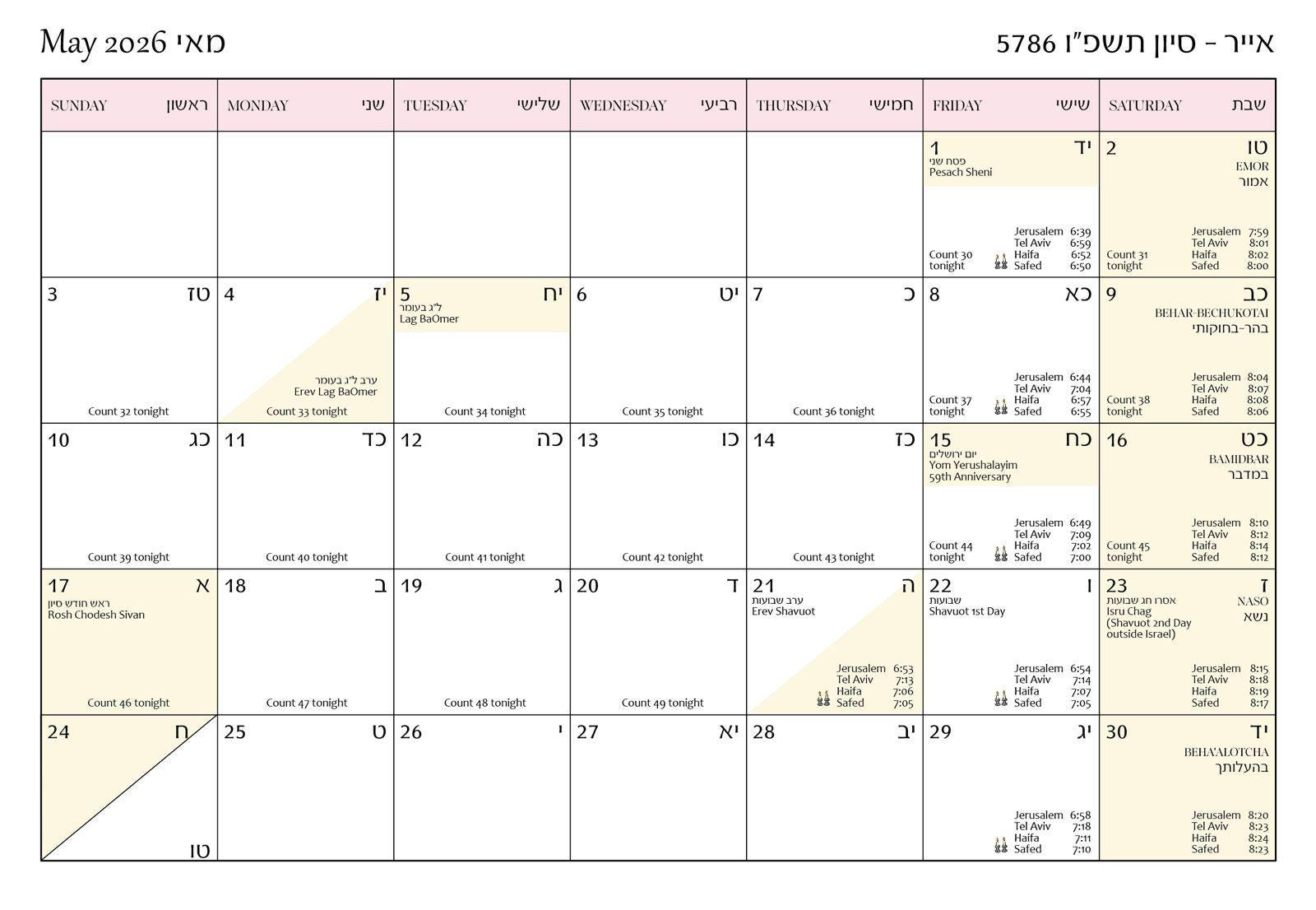
Source : etsy.com
But here’s the thing: understanding these dates isn’t just about marking your calendar. It’s about connecting with a rich history, a vibrant culture, and traditions that have been passed down for generations. It’s about knowing when to pause, when to celebrate, and when to reflect. This isn’t just a list of dates; it’s a roadmap to meaningful moments.
Why the Jewish Calendar is Different
Forget your standard Gregorian calendar for a minute. The Jewish calendar, or the Hebrew calendar, is something else entirely. It’s lunisolar, meaning it tracks both the moon and the sun. This is why your Rosh Hashanah might fall in September one year and then in October the next. It keeps things interesting, that’s for sure.
This lunisolar system is also key to how the holidays land at their specific times each year. It ensures that festivals like Passover always happen in the spring and Sukkot in the fall, regardless of what the regular sun-based calendar is doing. Pretty clever, if you ask me. It’s a system built on ancient wisdom, designed to keep the spiritual seasons aligned.
Key Dates to Mark for September 2026
Alright, let’s get down to brass tacks for September 2026. This month packs a punch when it comes to important observances. You’ll want to have these circled, highlighted, or whatever your preferred method is.
Rosh Hashanah 2026
This is the big one, folks. Rosh Hashanah, the Jewish New Year, is a time of serious introspection and joyful celebration. In 2026, it kicks off on the evening of September 11th and runs through the evening of September 13th. It’s a two-day holiday marked by sounding the shofar, festive meals, and renewed intentions for the year ahead. Think apples and honey for a sweet year, and the sound of the ram’s horn echoing.
Yom Kippur 2026
Just a few days after Rosh Hashanah comes Yom Kippur, the Day of Atonement. This is the holiest day in Judaism, a time for fasting, prayer, and seeking forgiveness. In 2026, Yom Kippur begins on the evening of September 20th and concludes on the evening of September 21st. It’s a day to cleanse the slate, so to speak. Expect a somber, reflective atmosphere.
Sukkot Begins
Following Yom Kippur, we enter the joyous festival of Sukkot. This week-long holiday commemorates the Israelites’ wandering in the desert after leaving Egypt. In 2026, Sukkot begins on the evening of September 25th and lasts through October 2nd. Families build and dine in temporary huts called sukkahs, remembering their ancestors’ temporary dwellings. It’s a time for gratitude and appreciating simple shelter.
Shmini Atzeret & Simchat Torah
The celebrations don’t stop there. Immediately following Sukkot are two more significant holidays: Shmini Atzeret and Simchat Torah. In 2026, these fall on October 2nd and October 3rd, respectively. Shmini Atzeret is a solemn assembly, while Simchat Torah marks the completion and restarting of the annual Torah reading cycle. It’s a real party, with dancing and rejoicing with the Torah scrolls.
This is just the tip of the iceberg, of course. There are always smaller observances, weekly Torah portions, and the general rhythm of Shabbat to consider. But for September 2026, these are the major dates you’ll want to lock in. For a detailed look at the Hebrew calendar, you can always check out resources like this Jewish calendar.
When Is Rosh Hashanah In The Jewish Calendar 2026

Source : jewishfoodhero.substack.com
Rosh Hashanah 2026: The Sweet Beginning
So, you’re wondering when Rosh Hashanah hits in 2026? It’s not like our Gregorian calendar, you know. Things shift. For 2026, you’re looking at the evening of Friday, September 11th, and it wraps up on Sunday, September 13th. That’s the start of the Jewish High Holy Days. It’s a time for reflection, for blowing the shofar, and yeah, eating a ton of apples dipped in honey. It’s all about ushering in a sweet new year, 5787 on the Jewish calendar.
The Shofar’s Call: What It Means
That shofar blast? It’s not just noise. It’s a wake-up call, literally. It jolts you out of your routine, making you think about the year gone by and the one ahead. The sound itself is pretty wild – long, short, some even describe it as a wail. It’s been a tradition for thousands of years, a core part of the Rosh Hashanah observance. It’s a primal sound that connects you to something much bigger.
Apples, Honey, and Hope for 5787
You can’t talk Rosh Hashanah without mentioning the food. Apples dipped in honey are practically mandatory. It’s this simple, sweet ritual symbolizing the hope for a sweet new year. Think of it like this: you’re literally tasting your wishes for the year ahead. Pomegranate seeds often make an appearance too, representing fertility and abundance. It’s a feast for the senses and the soul, really. And it all kicks off on that September 11th evening.
What Are The Dates For Yom Kippur In The Jewish Calendar 2026
Source : calendarlabs.com
Yom Kippur 2026: The Day of Atonement
Alright, let’s talk about Yom Kippur. This is the big one, the holiest day of the year in Judaism. It’s the Day of Atonement. In 2026, it falls on the evening of Sunday, September 20th, and concludes on the evening of Monday, September 21st. It’s a 25-hour fast, a day of intense prayer, introspection, and seeking forgiveness. Talk about a serious start to the Jewish year.
The Fast and the Prayer: A Solemn Affair
The Yom Kippur fast is no joke. No food, no water. It’s designed to cleanse you, to get you focused on what truly matters. You’ll spend a lot of time in the synagogue, listening to powerful prayers like Kol Nidre (recited the night before) and Neilah (the closing service). It’s about shedding the burdens of the past year and starting fresh. It’s a powerful spiritual experience, to say the least.
Seeking Forgiveness: A Human Necessity
This day is all about making amends. You ask forgiveness from God, sure, but crucially, you also have to seek forgiveness from people you might have wronged. It’s a tough but necessary part of being human. Yom Kippur is the ultimate deadline to sort out those interpersonal issues before the slate is wiped clean. It’s a critical part of the High Holy Days, and it demands your full attention.
Understanding The Jewish Calendar For September 2026

Source : 101planners.com
The Lunar-Solar Dance
The Jewish calendar? It’s a bit of a beast. It’s not purely lunar like the Islamic calendar, nor purely solar like the Gregorian one we’re all used to. It’s a lunar-solar hybrid. That means it tries to keep months aligned with the moon (around 29.5 days) but also ensures holidays fall at their traditional seasons (like Passover in spring). This is why we have leap years, adding an extra month (Adar II) seven times in a 19-year cycle to catch up. It’s a clever system, really, ensuring things don’t drift too far.
September’s Place: A Month of Transition
September is a pretty crucial month on the Jewish calendar. It often falls within the Hebrew month of Elul or Tishrei. Elul is the final month of the Jewish year, a time of preparation for Rosh Hashanah. Tishrei? That’s the first month of the Jewish year, kicking off with Rosh Hashanah and including Yom Kippur and Sukkot. So, in September 2026, you’re smack-dab in the middle of this massive spiritual reset. The calendar is actively transitioning from the old year to the new.
The Hebrew Months: Tishrei Takes Center Stage
When we talk about September 2026 on the Jewish calendar, we’re primarily talking about Tishrei. This is the month of the major High Holy Days. It’s packed with observance, starting with Rosh Hashanah, followed by the 10 Days of Repentance, Yom Kippur, and then Sukkot (the Feast of Tabernacles) and Simchat Torah. It’s a whirlwind of tradition and community, all packed into one Gregorian month. Pretty intense, right?
Major Jewish Holidays In September 2026

Source : elegantebymichellej.com
Rosh Hashanah: The Head of the Year
Like we already touched on, Rosh Hashanah is the headliner for September 2026. It marks the creation of the world, according to tradition. It’s not just a birthday party, though. It’s a serious time for judgment and introspection. The key symbols? That shofar blast and the apple dipped in honey for a sweet year. It officially starts the Jewish High Holy Days, a period of ten days that culminates in Yom Kippur.
Yom Kippur: The Day of Atonement
Following Rosh Hashanah, we have Yom Kippur. This is the solemn conclusion to the High Holy Days. It’s the holiest day of the year, a day of fasting, prayer, and atonement. Everyone is expected to repent and reconcile. Think of it as the ultimate spiritual check-up. This holiday falls on September 20th-21st in 2026, a real powerful observance.
Sukkot: The Feast of Tabernacles
And just when you think September is done with the big holidays, BAM! Sukkot arrives. This is the Feast of Tabernacles, a joyous week-long festival. It commemorates the Israelites’ wandering in the desert after leaving Egypt, living in temporary shelters (sukkahs). You build a temporary hut and often eat your meals there. It’s a beautiful reminder of vulnerability and reliance on God’s protection. It usually kicks off right after Yom Kippur, so in 2026, expect it to start around September 25th. It’s a celebration of harvest and gratitude.
Simchat Torah: Rejoicing in the Torah
Rounding out the major Tishrei holidays is Simchat Torah. This literally means “Rejoicing in the Torah.” It celebrates the completion of the annual Torah reading cycle and the beginning of a new one. It’s a super festive day, especially for kids, with dancing, singing, and often carrying the Torah scrolls. It typically happens right after Sukkot, meaning it’ll likely fall on September 30th or October 1st in 2026. It’s a vibrant end to a packed holiday season.
How To Observe Holidays On The Jewish Calendar 2026
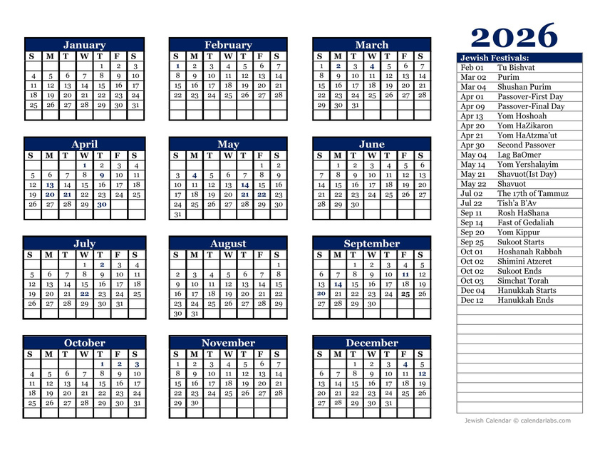
Source : calendarlabs.com
Rosh Hashanah Observance: Sweet Beginnings
Observing Rosh Hashanah is all about setting the right tone for the year. For starters, you absolutely need to hear the shofar blown. It’s tradition. Then there’s the symbolic meal: apples and honey are a must. You can also have round challah bread, symbolizing the cycle of the year. Many people dress in white, representing purity. It’s a time for family gatherings and reflection. And remember, it starts the evening of September 11th, 2026.
Yom Kippur Observance: A Day Apart
Yom Kippur observance is pretty straightforward but intense: fasting and prayer. You abstain from food and drink for about 25 hours. No work is done. It’s a day dedicated to repentance and atonement. You’ll likely spend a lot of time in synagogue attending services. The focus is inward, on your relationship with God and with others. It’s a serious, solemn day that demands your full spiritual engagement.
Sukkot Observance: Living in the Sukkah
Sukkot is all about community and gratitude. The main observance is dwelling in the sukkah, a temporary booth. You eat meals in it, and some people even sleep in it. Decorating the sukkah is a fun family activity. You also use the “Four Species” – an etrog (citron), a lulav (palm branch), three hadassim (myrtle branches), and two aravot (willow branches) – waving them in different directions. It’s a physical representation of faith and reliance.
General Tips for Observing Jewish Holidays
When observing any Jewish holiday, especially those falling in September 2026, remember a few key things. Many holidays follow the Sabbath structure: no work, no driving, no using electricity from sunset to sunset. Check the specific observances for each holiday. Lighting candles is a common ritual to usher in the holiday. And of course, spending time with family and community is central. It’s about connecting with tradition and people. The dates are key here; mark your calendars for September 2026!
| Hebrew Date | Gregorian Date (Evening Start) | Holiday | Brief Description |
|---|---|---|---|
| 1-2 Tishrei | September 11, 2026 | Rosh Hashanah | Jewish New Year, Day of Judgment, Shofar blowing |
| 10 Tishrei | September 20, 2026 | Yom Kippur | Day of Atonement, Fasting and prayer |
| 15-21 Tishrei | September 25, 2026 | Sukkot | Feast of Tabernacles, dwelling in booths |
| 22 Tishrei | October 1, 2026 (approx.) | Simchat Torah | Rejoicing in the Torah, completion of cycle |
Frequently Asked Questions
-
What are the Jewish holidays in September 2026?
This is a bit tricky because the Jewish calendar shifts each year. For September 2026, the big one is Rosh Hashanah, which kicks off the High Holy Days. You’ll also see it overlap with the end of Elul, the month leading up to it. Keep an eye on the exact dates as they get closer!
-
What month is September in Jewish calendar?
September in our Gregorian calendar usually falls within the Jewish month of Elul, or sometimes it’s when Tishrei begins. Elul is a time for reflection before Rosh Hashanah, and Tishrei is packed with holidays like Rosh Hashanah itself and Yom Kippur.
-
What are the three Jewish holidays in September?
In September 2026, the main event is definitely Rosh Hashanah, the Jewish New Year. Depending on the year, sometimes Yom Kippur, the Day of Atonement, can fall in late September, though it often spills into early October. There aren’t always three major holidays specifically within September; it really depends on how the lunar calendar lines up. But Rosh Hashanah is the big September shindig for sure!
-
What is Rosh Hashanah 2026?
Rosh Hashanah 2026 marks the Jewish New Year. It’s a two-day celebration, usually falling in September. Think of it as a spiritual reset button. People attend synagogue, hear the shofar (a ram’s horn), and reflect on the past year while looking forward to the next. It’s a time for apples dipped in honey, hoping for a sweet new year. Definitely a significant Jewish holiday.
-
When does the Jewish New Year start in 2026?
Mark your calendars! The Jewish New Year in 2026, which is Rosh Hashanah, is set to begin on the evening of Wednesday, September 9th, and will continue through the evening of Friday, September 11th. So it’s basically a two-day celebration kicking off right in early September.

Nichols As the lead creator behind platforms like Month Mint Calendar & Fest, Nichols focuses on the intersection of clean design and daily productivity. Finding the perfect balance between aesthetics and functionality, Nichols ensures that every grid and tracker is meticulously crafted for optimal print quality.